The number of Australians paying the Medicare Levy Surcharge at tax time continues to rise. New data from the Australian Tax Office shows the number of people who paid the Surcharge jumped from 768,537 in 2022-23, to 885,087 in 2023-24 – a 15% increase. The Medicare Levy Surcharge (MLS) applies to people who earn above the ATO income threshold and do not have Hospital Cover covering all members of their household. The thresholds...
Health insurance regulations mean top-level cover has increasingly become unaffordable for many Australians. That’s the finding in an Actuaries Digital article, which suggests that the 4 tiers – Basic, Bronze, Silver and Gold – should be restructured. The number of Australians with Gold tier policies has dropped from 95% in 2005 to just 30% in 2026, due to younger claimers being concentrated on expensive Gold policies. This means many people do not have access to services such as private maternity cover, assisted reproductive services...
Australians with health cover are paying larger out-of-pocket costs for private treatment than ever, new data shows. The average Gap for private hospital treatment has climbed to $511.02 – an increase of 8.4% from the previous quarter, according to the latest statistics from government regulator APRA (the Australian Prudential Regulation Authority). Average Gaps for Extras Cover have increased to $65.02 – a 3.4% rise. Orthopaedic procedures remain the most expensive when it comes to out-of-pocket costs, with...
The cost of raising children continues to rise, with policies for families among the hardest hit in the latest health insurance premium increases.Analysis by health insurance comparison site healthslips.com.au found increases to Family and Single Parent policies have risen higher than policies that don’t include children.The government announced health insurance premiums would rise by an...
Senior Australians are facing a double whammy of health insurance cost rises, putting extra pressure on wallets during the cost-of-living crisis. Changes to the Private Health Insurance Rebate, coupled with high premium increases to policies that meet health needs of people over 65, mean senior Australians will be hit doubly hard by new health insurance changes. Currently the Private Health Insurance Rebate reduces premiums for people on low incomes by up to 24.288%, with reductions...
Health insurance premiums will increase by an average of 4.41% on 1 April, but some Australians are already experiencing bill shock after finding their policies will increase by as much as 10.74%. In the past few weeks policyholders have been notified by health insurers about their premium rises on 1 April 2026 and in some cases, the increases are significantly higher than 4.41%. Analysis by health insurance comparison...
Out-of-pocket fees for Australians with health insurance have risen, new data shows. Statistics from health insurance industry regulator APRA reveal average Gaps for hospital treatment rose by 7.7% in 2025, from an average of $437.61 to $471.29. Gaps for Extras Cover claims were up 5.6% from an average $59.53 to $62.87. Despite the increased Gaps and the cost-of-living crisis, Australians are holding onto their health insurance policies. There was no change to...
The government has approved a 4.41% average health insurance premium rise for 2026 – the highest increase in 9 years. Every year, health insurers must apply to the Minister for Health and Ageing to raise premiums. Last year’s average increase was 3.73%, while the 2017 average was 4.84%. Policyholders will be advised of their premium change over the coming weeks, with new premiums effective from 1 April. The Private Health Insurance Rebate will also be reduced from 1 April...
CEO and Founder
Chief Operating Officer
Chief Technical Officer
Writer and Researcher
UX/UI Designer
Brand and Graphic Designer
Led by Chris Payne
Cancer survival rates are increasing in Australia, which the government’s Cancer Plan says is thanks to better screening programs, earlier detection and improved treatments. Chemotherapy is one of the key treatments for many types of cancer, where drugs that destroy cancer cells are given orally, through an IV or as a cream, according to the Cancer Council. Depending on your insurer and doctor’s advice, you may be eligible to have chemotherapy in your own home, administered through specialised nursing programs,...
If you’re waiting for varicose veins surgery in a public hospital, you could be waiting months. According to the Australian Institute of Health and Welfare, more than 50% of people waited more than 133 days (4.5 months) for varicose veins surgery in a public hospital in 2024-25. If you have Hospital Cover that includes the Heart and Vascular System clinical category, you could skip the queue and go to a private hospital for...
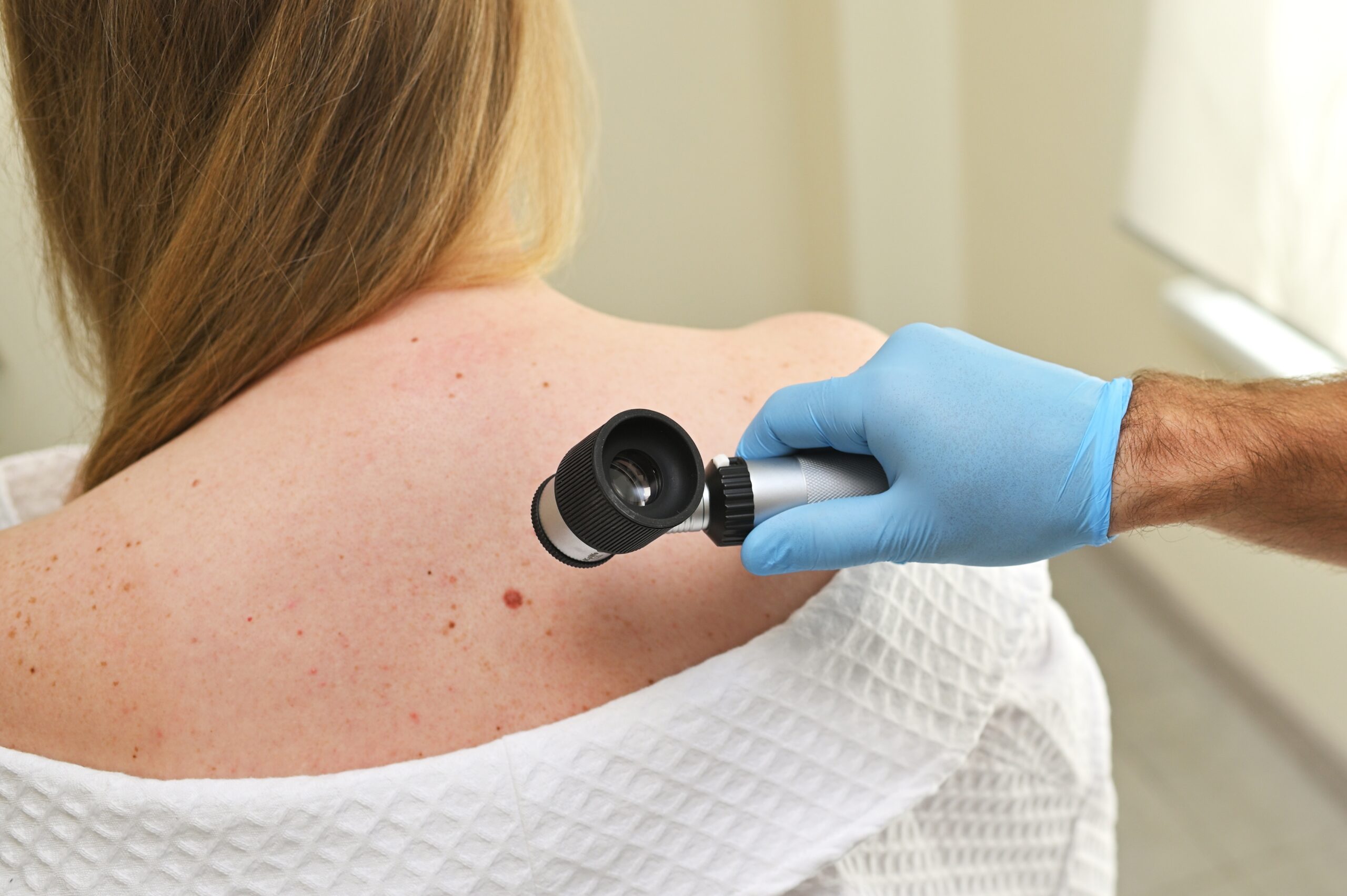
Skin cancer is the most common cancer in Australia, according to the Cancer Council, with more than 2 in 3 of us likely to be diagnosed in our lifetime. One of the most common treatments – including melanoma, basal cell carcinoma and squamous cell carcinoma – is surgical excision to remove the lesion. In fact, based on Medicare data, more than 100 skin cancer treatments for squamous and basal cell carcinoma took...
Around 14% of Australian women are living with endometriosis, a painful condition where tissue grows outside the uterus. There’s no cure for this debilitating condition, but there are treatments to relieve the symptoms – including surgical options. If you’re living with endometriosis and want the option of skipping long wait lists and having surgery in a private hospital, health insurance is worth considering. According to The Guardian, public wait lists for endometriosis surgery can...
If you’re admitted to hospital as a private patient, your insurer won’t pay the entire bill for your treatment. As well as the Gap, which is determined by your doctor and your insurer, you’ll also need to pay an excess and possibly also a co-payment, determined by your policy. So what’s the difference between these...
If you’ve been told you’ll need surgery in the near future and you have private health insurance, you might be wondering whether it’s better to go to a public or private hospital. In 2024-25, around 67% of elective surgeries in Australia were done in private hospitals. While being treated in a public hospital is free under Medicare, there may be long waits to be seen by a specialist and then to have your surgery – and you can’t choose...
Waiting for hernia surgery can be a long, and potentially painful, process. The latest data from the Australian Institute of Health and Welfare shows that the median wait time for hernia surgery was 77 days (around 2.5 months). But that’s only an average – around 6% of people waited more than a year for their...
If you’re likely to need surgery this year, you could be in for a long wait. Although your surgery will be free under Medicare in the public health system, there may be a lengthy wait for non-urgent procedures. Of course, if you have health insurance, you can be seen quicker as a private patient, but that doesn’t necessarily mean your surgery will be free. Depending on your policy, and the doctors...